Understanding Mandala Vector Design
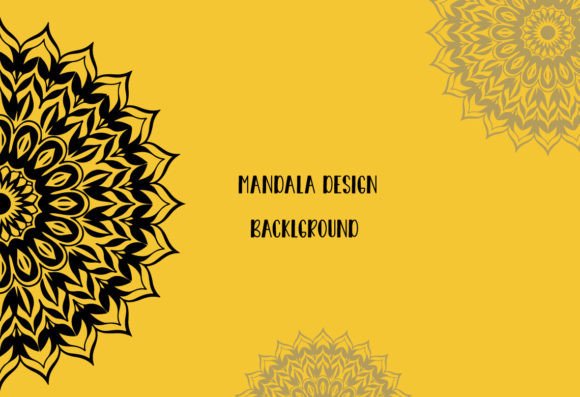
A mandala vector is a digital artwork built from geometric patterns, radial symmetry, and repeated motifs, stored as mathematical points and curves rather than pixels. Unlike raster images that lose quality when scaled, vector mandalas remain crisp at any size. This technical distinction matters deeply depending on what you want to create, how you plan to use it, and how much control you need over the final result.
For many people, the appeal of mandala vectors goes beyond aesthetics. The designs carry cultural and meditative significance, but the vector format adds practical advantages for editing, resizing, and integrating into larger projects. Whether you are a hobbyist exploring new creative outlets or a business owner producing branded materials, understanding what a mandala vector offers can help you decide if it fits your workflow.
What Makes a Mandala Vector Different
A vector file records shapes as paths defined by start and end points, angles, and curves. When you open a mandala vector in software like Adobe Illustrator, Affinity Designer, or Inkscape, every petal, ring, and dot remains independently editable. You can change colors, scale individual elements, or rotate a section without redrawing the entire piece. This flexibility is what attracts designers and creators who need to adapt a single artwork for multiple uses.
Beginners sometimes confuse vector mandalas with high-resolution PNG or JPEG images. The difference becomes obvious when you enlarge the graphic. A raster mandala gets blurry or pixelated at larger sizes, while a vector mandala stays smooth and sharp at any dimension. This makes vector formats ideal for projects that span different media, such as a social media post and a large printed banner.
For someone just starting out, the idea of working with vectors might sound technical. Many marketplaces sell mandala vectors as ready-to-use files that open in simple editing tools or even web-based platforms. You do not need to be a professional designer to benefit from the scalability and editability of vector art.
Creators and Hobbyists Exploring Design
If you enjoy coloring books or drawing patterns for relaxation, a mandala vector can be a versatile resource. You can print it at any size for coloring, use it in digital coloring apps, or import it into a drawing program to modify the line thickness or add your own color palette. The ability to tweak the design without starting from scratch lowers the barrier for creative experimentation.
Many hobbyists find that working with vector mandalas helps them understand symmetry and composition. By examining how the design is constructed, you learn about repeating elements, alignment, and balance. This learning value is a hidden benefit of using vector formats, even if you never plan to become a professional artist.
Professional Designers and Marketers
For designers, a mandala vector is a flexible asset that can be customized for branding, packaging, website backgrounds, or promotional materials. The independence of each element means you can recolor the entire mandala in seconds using global swatches, extract parts of the pattern for smaller graphics, or layer it with text and other design elements without worrying about resolution.
Marketers often use mandala patterns to convey harmony, focus, or cultural richness in visual campaigns. A vector file allows the same mandala to appear on a business card, a billboard, and a digital ad with consistent quality. Speed and reliability matter here, and vector files eliminate the need to create separate versions for different output sizes.
Freelancers who produce custom designs for clients appreciate that vector mandalas can be adapted to match existing brand guidelines. Changing a single color across the entire design takes seconds, which makes client revisions less tedious and more profitable.
Small Business Owners and Entrepreneurs
If you run a small business, your visual identity needs to look professional across multiple touchpoints. A mandala vector can become a distinctive element in your logo, product packaging, or website design. Because vector files are resolution-independent, you can enlarge them for store signage or shrink them for social media icons without losing clarity.
Cost also plays a role. Purchasing a high-quality mandala vector from a marketplace is often more affordable than hiring a designer to create a custom pattern from scratch. And because vector files are editable, you can make minor adjustments yourself, reducing ongoing design expenses.
Business owners who sell physical products such as apparel, home decor, or stationery can use mandala vectors for product mockups, fabric prints, or laser engraving templates. The precision of vector paths translates directly into manufacturing workflows, ensuring the final product matches the digital design.
Educators and Workshop Facilitators
Teachers and workshop leaders use mandala vectors to demonstrate geometric principles, cultural art forms, or digital design techniques. In an educational setting, the vector format allows students to deconstruct a pattern and understand how radial symmetry works. They can rotate, scale, or duplicate sections to see how changes affect the overall design.
For online courses or tutorials, a mandala vector provides a clean, scalable visual that works on any screen size. Educators appreciate that vector files can be embedded in slides, handouts, or interactive modules without worrying about image degradation. The learning value extends to both art students and those studying math, geometry, or cultural studies.
Evaluating Quality and Practical Value
Not all mandala vectors are created equal. The quality of the vector file depends on how the original artwork was constructed. Well-made vectors use clean, closed paths with minimal anchor points, which makes editing easier and printing smoother. Poorly constructed vectors may have overlapping lines, missing segments, or excessive points that complicate modifications.
When evaluating a mandala vector for purchase or download, consider what you plan to do with it. If you need a design for a large wall mural, look for a file with enough detail to look impressive at scale. If you want to recolor sections individually, check whether the elements are grouped logically or locked in ways that limit editing.
Beginners sometimes prioritize low cost or free options, which can be perfectly fine for personal projects or practice. Professionals and business owners may benefit from investing in premium vectors that come with clear licensing terms, organized layers, and reliable technical support. The right choice depends on your skill level, project requirements, and how much time you are willing to invest in cleanup and adjustment.
How to Choose the Right Mandala Vector for Your Needs
Start by identifying your primary use case. If you are a freelancer creating a logo, you need a design that is distinctive and editable. Look for vectors with well-named layers and a license that covers commercial use. If you are a hobbyist making prints for your home, simpler designs with thicker outlines may work better for coloring or framing.
Consider the file format. Common vector formats include SVG, AI, EPS, and PDF. SVG is widely supported by web browsers and free design tools, making it a good choice for digital projects. AI and EPS are standard in professional design software and preserve advanced editing capabilities. PDF files are versatile for both viewing and editing across different applications.
Think about your comfort level with vector editing software. If you are new to vectors, choose a file that is fully editable in a tool you already know or are willing to learn. Many online marketplaces provide previews and compatibility notes, which help you avoid surprises.
Practical Examples Across Use Cases
A blogger writing about mindfulness might use a mandala vector as a featured image for articles on meditation. The vector can be recolored to match the blog's palette and scaled for different social media platforms without redoing the graphic each time.
A small business owner selling yoga mats could commission or purchase a mandala vector to use as a repeating pattern on fabric. The vector file allows the manufacturer to print the pattern at any scale while preserving the fine details of the design.
A hobbyist who enjoys hand-lettering might combine a mandala vector with calligraphy for greeting cards. By importing the vector into a design app, they can layer text over the pattern and adjust the composition until it feels balanced.
An educator teaching a workshop on symmetry can share a mandala vector file with students and ask them to experiment with rotating or recoloring sections. The hands-on activity reinforces concepts that static images cannot convey as effectively.
Long-Term Usefulness and Flexibility
One of the strongest arguments for choosing a mandala vector over other formats is longevity. As your skills grow or your brand evolves, a vector file can be updated, recolored, or restructured to suit new purposes. A mandala you buy today might become part of a logo, a pattern library, or a product line years from now. That flexibility makes vector mandalas a smart investment for anyone who values adaptability over time.
For consumers who simply enjoy mandala art as decor, vector files offer the freedom to print at custom sizes. You can order a small canvas print for a desk or a large wall hanging for a living room using the same digital file, confident that the quality will hold up at every size.
Reliability is another factor. Vector files store your artwork in a format that remains editable and scalable regardless of changes in software or screen technology. Unlike proprietary formats that may become obsolete, common vector standards like SVG and PDF are widely supported and likely to remain accessible for years to come.
Does a Mandala Vector Match Your Goals
The answer depends on how you value ease of use, creative control, cost, and long-term flexibility. Beginners who want a simple, beautiful design for personal enjoyment may find a high-quality PNG or PDF sufficient. But if you anticipate wanting to resize, recolor, or repurpose the artwork later, a vector format gives you that freedom without requiring technical expertise on day one.
Professionals and creators who produce work for clients or audiences will benefit from the speed and reliability that vector files provide. The ability to edit and scale without compromises reduces production time and elevates the final result. Business owners looking for cost-effective, professional visuals will find that mandala vectors deliver strong commercial value without recurring design fees.
Take a moment to consider your current projects and where you want them to go. If the ability to change your mind later matters, a mandala vector is probably the right choice. If you simply want a finished design you can use immediately, other formats might serve you just as well. Either way, understanding what you are choosing helps you use the artwork with confidence and creativity.